A Guide to Buying Compliance Software
It’s not all about features and pricing. Once you commit to a particular compliance software provider, switching later can be challenging. Make sure to conduct thorough research before making a purchase.


Do you trust the company behind the compliance software? Are you willing to commit time, money, and effort to achieve GDPR compliance using their software?
Once you have compared the offerings of various providers and found one that aligns with your needs, you should conduct thorough due diligence on the company.
Is the provider reliable? Do they have a strong base of satisfied customers, and what are the experiences of those less content?
Take the time to research thoroughly. Explore their website, review their LinkedIn profile, attend their webinars to ask questions, and investigate how long they've been in business to gauge their credibility.
This article will explain the aspects to look for when conducting due diligence on your providers.
First read about whether you need GDPR software or Read our analysis of whether to build or buy compliance software
Data Storage
Where your data is stored should be a concern for GDPR compliance.

Compliance becomes more complex when data is processed outside the EU, so you must decide whether you prefer your vendor to store personal data within the EU or if you’re comfortable with data storage elsewhere.
If you choose a provider that processes personal data outside the EU, you must ensure compliance with Chapter 5 of the GDPR, which governs international data transfers.
Learn more about GDPR compliance in cloud services and data storage considerations.
Quality Assurance
When choosing compliance software, your organisation's compliance will heavily depend on the provider’s approach to ensuring its software meets regulatory standards. It’s important to consider how the provider developed its solution. Did it use external legal auditors for quality assurance or rely solely on in-house expertise? How do they ensure the software remains up to date with legislative changes?
While this might seem tedious, your compliance will be tied to the software you choose, so these questions are important to address before making a decision.
Learn more about how .legal ensures compliance with ISAE certifications.
Compliance Audit
Your new software provider should prioritise compliance and transparency, which would be in the spirit of the GDPR.
Look for a company that publicly discloses its data processing agreements, third-party audit results, and any assurances demonstrating its commitment to data stewardship and compliance. This might include copies of its IT security policy or other documents detailing its technical and organisational security measures.
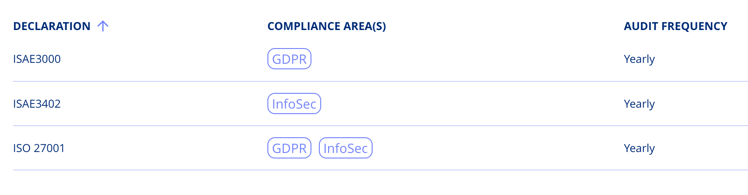
Ideally, these compliance documents should be readily accessible via their website, as this level of transparency is a core need for all potential customers.
Understand the difference between information security and cybersecurity in your compliance strategy.
Your Needs
Consider how your organisation currently handles compliance and compare this with the features offered by the compliance software. Ensure the software aligns with your organisation's specific needs and provides clear advantages.
This assessment will also help to clarify the business case for implementing compliance software.
Read more about features to look for in GDPR Compliance Software.
Product Roadmap
The product roadmap provides valuable insight into the provider’s long-term commitment to the software and its future direction. By reviewing the roadmap, you can anticipate upcoming updates and enhancements, ensuring the software will continue to meet your needs.
It also offers a glimpse into the provider’s past activity levels and product focus, giving you an idea of their dedication to continuous improvement.
Onboarding
Is it straightforward to get started with the new provider? The onboarding process might vary depending on whether you’re starting from scratch or already have compliance documentation with another provider.
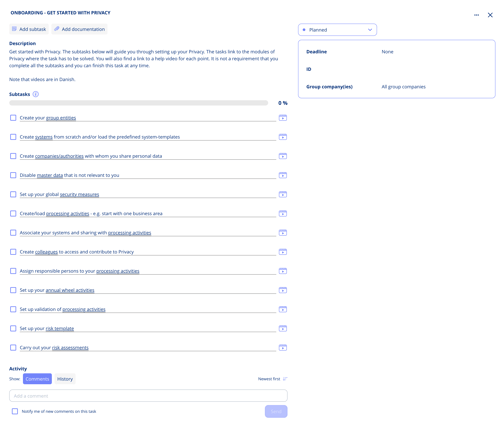
If you have any uncertainties, don't hesitate to contact the new provider for an assessment.
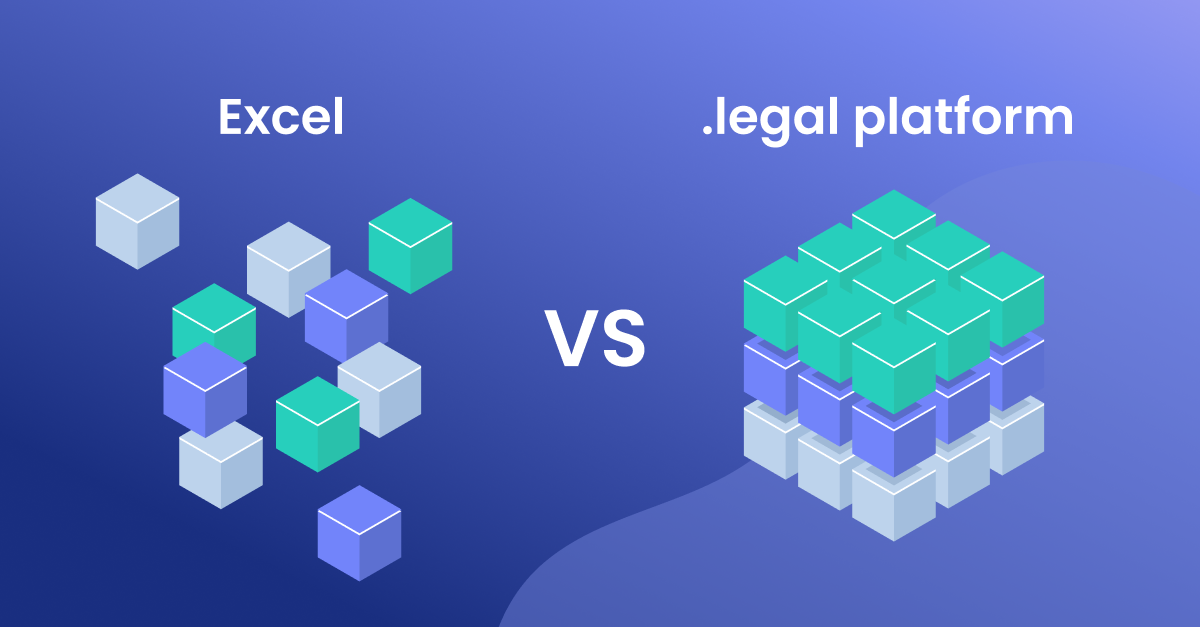
If you’re currently managing your GDPR compliance through another software or even an Excel sheet, contact your current vendor for assistance in exporting your existing data for reuse.
Time horizon
Related to the onboarding process, it is important to establish the time horizon from your initial due diligence of the software provider to the point where the software is fully integrated and compliant within your organisation. This involves determining how long it will take to evaluate, implement, and start using the software effectively.
When considering the time horizon, ask yourself: When should the system be fully operational within the organisation? What steps are required to reach that point? Also, evaluate whether the chosen software aligns with your goals and whether it will enable you to achieve the desired outcomes within the projected timeframe.
Read how a migration can happen if you are already using another GDPR software or, for example, Excel for your current GDPR compliance.
Support
A great support offering can help you overcome obstacles, resolve issues promptly, provide guidance, and guide you in the right direction. This not only strengthens your resources but can also reduce reliance on costly external consultants.
When paired with exceptional support, great software can significantly improve your compliance process. It can save time and money, simplify operations, and alleviate many concerns.
Quality support includes comprehensive onboarding and training for your team.
Integrations
If your compliance platform needs to integrate with your current IT portfolio, it's important to ensure that the software works seamlessly with your other systems.
For example, the platform should be able to reference or deep-link files stored in your existing file share, reducing the need to manage the same documents across multiple platforms.
It’s also beneficial if the platform offers API integration capabilities, allowing you to connect your existing systems directly with the compliance software. This way, you can continue using the software that already works well within your organisation without replacing it.
Consider how vendor management software can help you manage your suppliers centrally.
Trial the Software
You should test your new GDPR compliance software before fully committing to using it as the foundation of your organisation's compliance strategy.
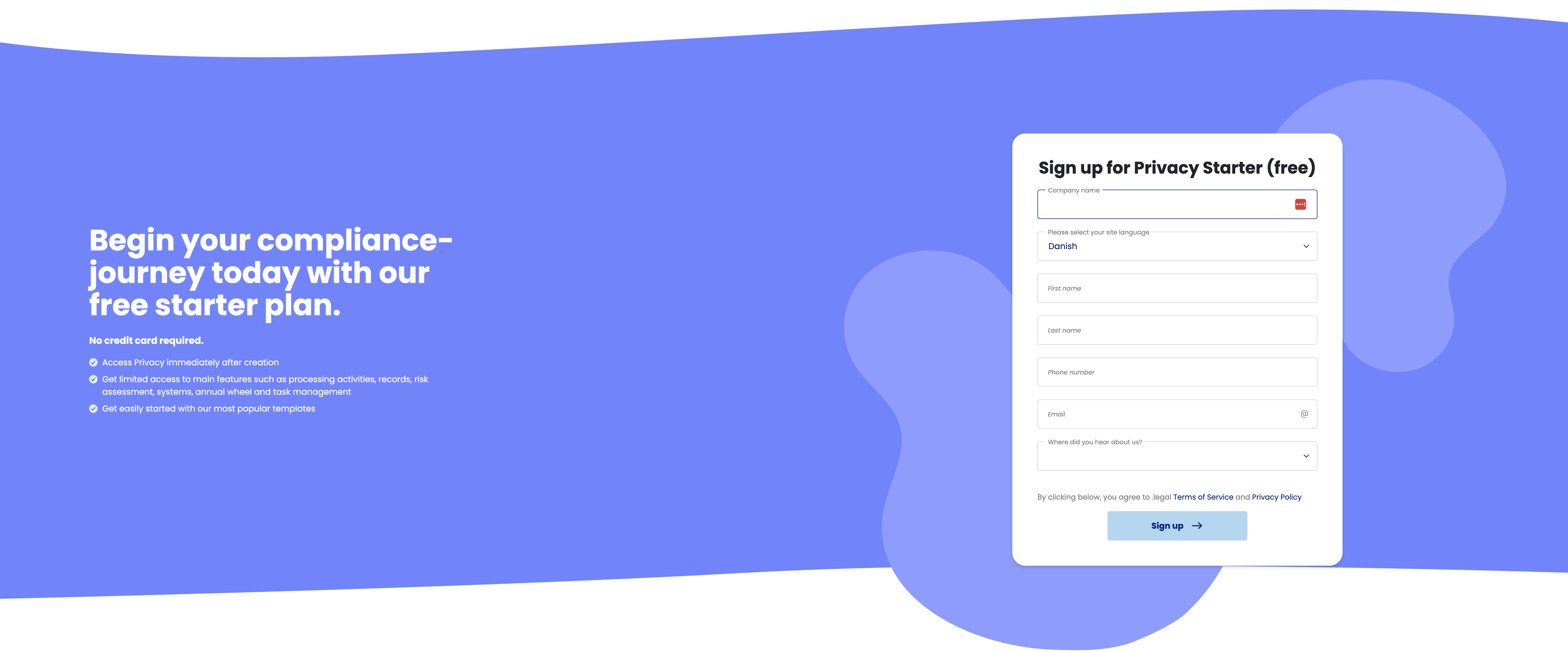
A trial can reveal whether the software is truly the right fit for your business needs.
Contact vendors to arrange a trial or take advantage of a free trial if available.
Make sure that the free trial represents the version you plan to purchase, as the trial version might lack key enterprise features.
Export Data
You should also ensure you can easily export your data in a usable format before fully committing. This capability is crucial if you ever need to switch vendors.

If you decide to change solutions down the line, being able to export your data seamlessly can save you significant time and cost. The easier the transition, the better it is for your business.
Moreover, a provider that offers straightforward data export options demonstrates trustworthiness, as it does not intentionally make it difficult for customers to leave.
Business Case
A strong business case should also weigh in when you are assessing GDPR compliance software for your organisation.
While this software comes with a cost, it also offers several advantages. But what are these benefits, and do they outweigh the expenses?
- Does the software help you achieve a higher level of GDPR compliance?
- Does it make it easier to maintain compliance, especially when regulations change?
- Does streamlining your processes save time?
- Can both trained and untrained colleagues use the software, making your compliance efforts robust despite organisational changes?
Though some benefits might be difficult to quantify, understanding the overall cost-benefit is crucial before deciding.
Price
GDPR compliance software often comes with varying pricing models.
Some companies charge based on the number of users who need access to the software, while others charge according to the functionality provided, among other factors.
The important thing is that you know the pricing model to assess your costs using the software today and in the future if your needs change.
External Access
If you are working with an external consultant who might need access to your compliance documentation, ensure the software supports this capability. Granting external consultants access enables them to review your setup and provide suggestions for improving compliance-related tasks. This enhances the accuracy and efficiency of your compliance processes and a stronger, more productive working relationship with external partners.
Documentation
Evaluate the software documentation thoroughly to ensure it won’t cause any roadblocks when using their software.
Checking the documentation might seem minor, but it's easy to overlook its importance. Good documentation can quickly help you resolve issues you randomly encounter, save time, and support your compliance efforts.
References
What have customers said about the software provider?
Review the provider's references to identify which companies currently use their solution. Are these well-known, reputable companies that typically hold their suppliers to high standards? Their involvement can be a strong indicator of the provider’s reliability.
Look for feedback from both satisfied and dissatisfied users to get a balanced perspective. Pay attention to any positive and negative recurring themes in the feedback, as these can provide valuable insights into the software’s strengths and potential drawbacks.
This will help you make a more informed decision.
Conclusion
Selecting a reliable GDPR compliance software provider that aligns with your current and future needs will be a valuable long-term decision.
The right choice will streamline compliance, protect your organisation, and adapt as regulations evolve.
On the other hand, choosing the wrong provider can lead to costly headaches down the line, especially if you need to switch after you've invested time and resources. Take the time upfront to make a well-informed decision—it's an investment that will pay off in the long run.
We have made all the information you need for your due diligence on us available here.


.png?width=1536&height=1024&name=securitybreach-feature%20(1).png)



.legal compliance platform
Your Search for Compliance Software Ends Here
-
Fast implementation with guided onboarding
-
Seamless integrations with your existing tech stack
-
Transparent pricing with no hidden costs
-
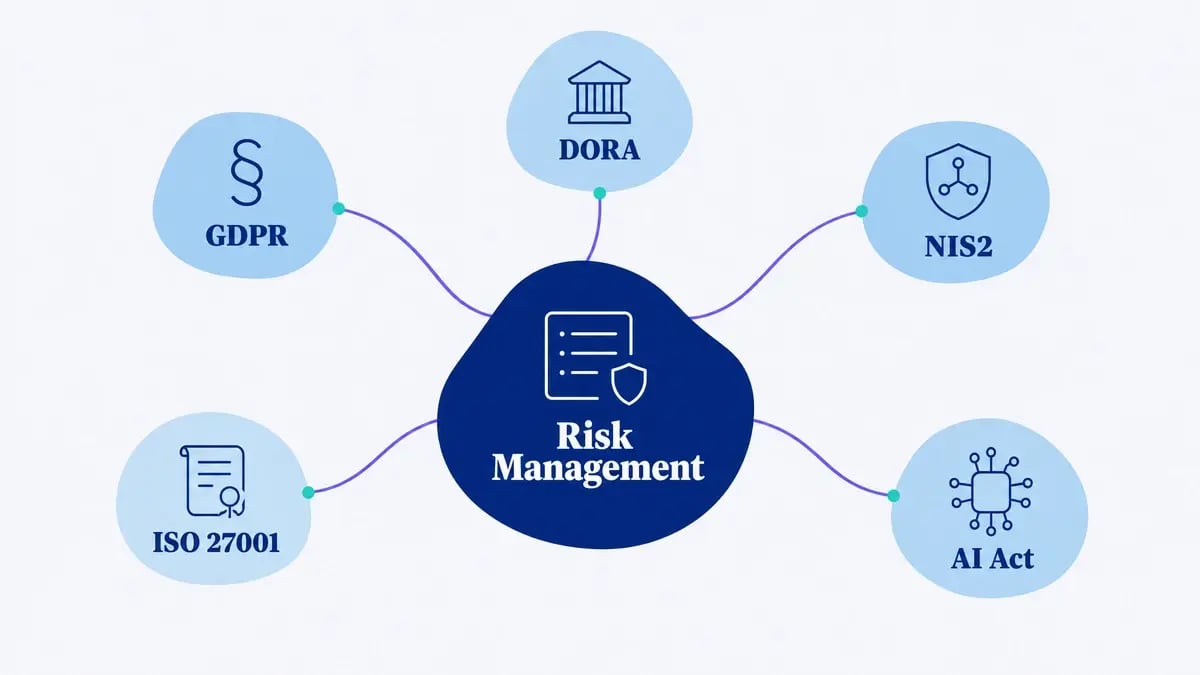
Multi-regulation support for GDPR, ISO 27001, and more
-
Dedicated customer success team





.jpeg?width=131&height=26&name=right_people_logo%20(1).jpeg)

.jpg?width=58&height=26&name=Praktiserende%20L%C3%A6gers%20Organisation%20(1).jpg)
.jpg?width=108&height=26&name=finans%20danmark%20(1).jpg)


.jpg?width=89&height=26&name=klasselotteri%20(1).jpg)

-1.png?width=68&height=52&name=bws_shipping_rgb%20-%20Kopi%20(2)-1.png)



.jpeg?width=135&height=26&name=AH%20industries%20(1).jpeg)






.jpg?width=493&height=57&name=KAUFMANN%20(1).jpg)