

GDPR compliance guide
GDPR compliance means your organisation processes personal data in line with the General Data Protection Regulation and can demonstrate that it does.
Read More
GDPR compliance means your organisation processes personal data in line with the General Data Protection Regulation and can demonstrate that it does.
Read More
Keep reading if you want guidance and checklists for implementing the GDPR in your organisation. In this article, we will guide you through the steps to transform your organisation from non-compliant to GDPR-compliant by establishing a GDPR project within your organisation and implementing the change.
Read More
Once you’ve implemented GDPR in your organisation, the focus shifts from setup to staying GDPR compliant.
Read More

Data Subjects have the right to be informed about your processing of the personal data.
Read More

Even small companies are likely to have more than 10 processing activities, so it's important to define these in a way that aligns with their everyday operations for better compliance results.
Read More
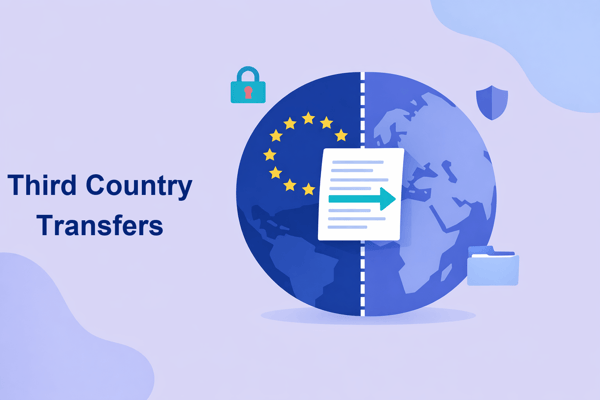
When you transfer personal data to countries outside the EU/EEA, you must comply with the GDPR rules on third country transfers. Get a full overview of adequate and non-adequate countries, transfer mechanisms and practical requirements.
Read more
Learn how to create compliant records of processing activities under GDPR Article 30. Get practical examples, templates and expert guidance for your RoPA documentation.
Read More

In this article you will find descriptions and links to GDPR templates, which you can use for your GDPR compliance.
Read More


You must conduct a DPIA when the processing of personal data poses a high risk to data subjects. This article outlines these requirements.
Read More

GDPR compliance requires knowing what personal data is, which you can learn all about here in this article.
Read More

Any processing of personal data must have a legal basis in article 6(1) of the GDPR, which you can read about in this article.
Read More

It is forbidden to process sensitive personal data unless you have a legal basis in Article 9(2) of the GDPR. This guide will help you find your legal basis for processing sensitive personal data..
Read More
Make sense of GDPR data subject rights with this guide. Practical tips and a template to guide your processes.
Read More
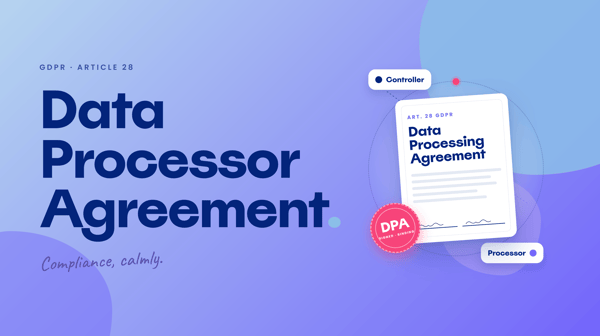
The GDPR requires establishing a Data Processing Agreement (DPA) between the data controller and data processor. This means that if your organisation uses a product or service provider that requires processing personal data on your behalf, a contract must be established.
Read More
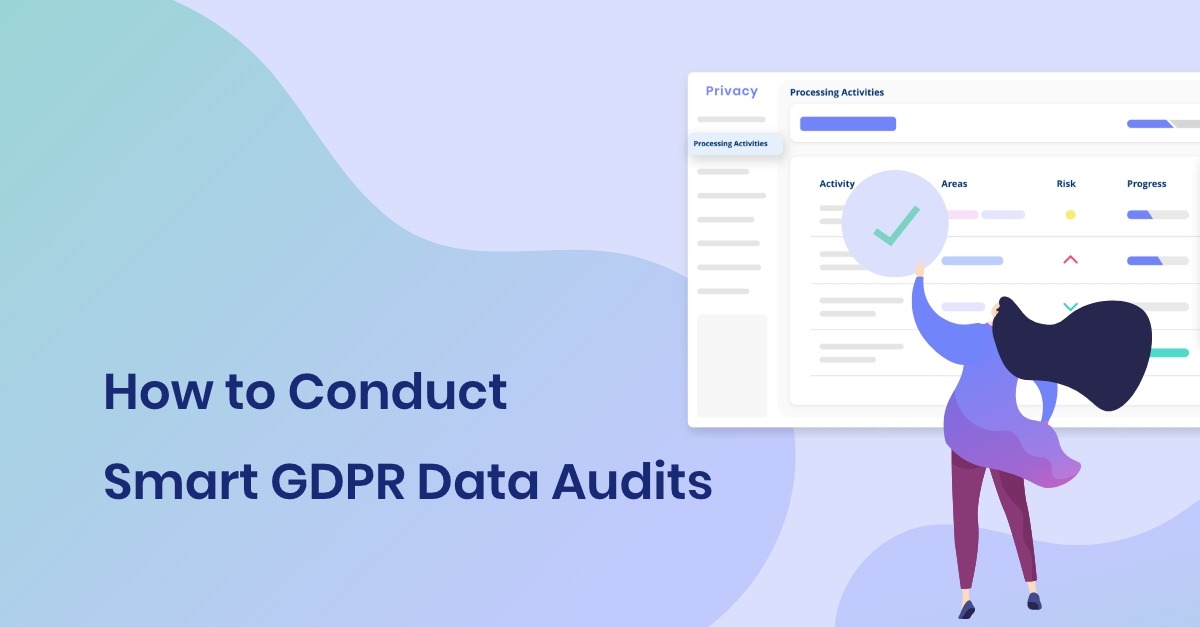

The GDPR requires you to audit your data processors. In this article, you will learn how to prepare and design your audits.
Read More

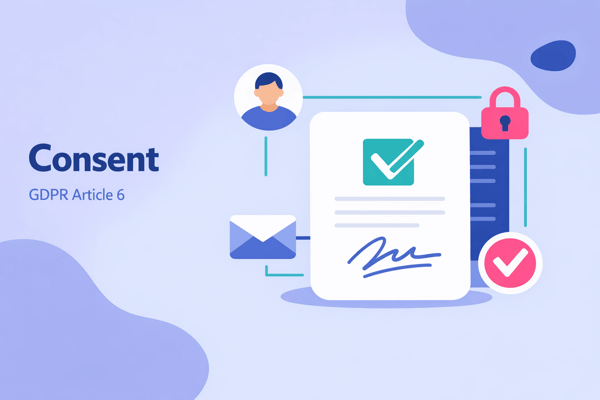
Consent is just one of six legal bases for processing personal data under GDPR. Learn when it is the right choice, what makes it valid, and when other legal bases are a better alternative.
Read more
GDPR gives all data subjects the right to access the personal data you hold about them. Learn what the law requires, who can submit a request, and how to handle it step by step.
Read more