GDPR Compliance in Cloud Services
GDPR Compliance in Cloud Services like Google Drive, iCloud or Microsoft OneDrive.

GDPR and the 'Cloud'
More businesses turn to cloud storage and services to manage their data. This makes it necessary to understand CDPR compliance in cloud services.
The shift to cloud solutions offers remarkable efficiency and scalability advantages. But at the same time, it introduces new challenges in data privacy and security. These challenges aren't only a concern of EU-based companies. Any organization that handles data from EU residents must be compliant with GDPR.
In the following you will about common issues related to GDPR and cloud usage. This is useful while working with cloud solutions like: Amazon S3, Google Cloud Platform, Microsoft Azure.
By reading this blog the aim is, that you feel informed about GDPR and cloud. You can use the information to make informed and compliant choices. This isn't a "how-to list", compliance is a distinct process to all organizations.
GDPR Compliance and Cloud Storage Solutions
When it comes to storing data, cloud services have become a go-to solution for many companies. But it's essential to recognize that using the cloud also comes with the need to be GDPR compliant. So, what does GDPR say about cloud storage solutions?
Firstly, GDPR stresses the importance of data privacy and protection. Whether your data is stored on-site or in the cloud, GDPR guidelines insist on secure storage and controlled access. The regulation specifically aims to protect the personal data of EU citizens. GDPR is dictating how the data should be handled, accessed, and stored.
For cloud storage, GDPR compliance means several things:
- Transparency: GDPR requires data processing to be "lawful, fair, and transparent." That means you need to clearly inform users what data you're storing and how it will be used.
- Data Minimization: Only the data that is necessary for your operations should be collected and stored. Unneeded data should be deleted.
- Rights of Data Owners: GDPR gives data owners the right to access and control their personal data. They can request data modification, deletion, or even data portability from one service provider to another.
- Security Measures: Data must be encrypted and secure, whether it’s at rest or in transit. A breach notification system must be in place. So that data owners get alerted within 72 hours of a data breach discovery.
- Third-Party Vendors: It's not only you who need to be GDPR compliant. When using third-party cloud services, it's your responsibility to ensure their GDPR compliant. Often, this involves asking the vendor to provide evidence of compliance or looking for GDPR certification. (You can use DPA Service from .legal for this matter - read more here).
Companies like Amazon with Amazon S3 and Amazon Drive, Google with its Google Cloud Platform and Google Drive, and Microsoft through Microsoft Azure and Microsoft OneDrive, often come with built-in GDPR compliant features. However, it’s crucial to do your research and, if needed, consult legal advice to ensure full compliance.
Ensuring GDPR compliance with your cloud storage solution isn't just a legal necessity. It's also about building trust with your clients. They need to know that their data is safe with you, wherever it's stored.
This section aims to offer a general overview. This should not replace professional legal advice for GDPR compliance. For detailed guidance, consult a data protection officer or legal counsel.
>> Is your organization based in Denmark? "Datatilsynet" has made a guide about the use of cloud. Read it here.
GDPR Cloud Compliance Best Practices
Navigating GDPR compliance while using cloud storage and services can be complex. But, adopting best practices can simplify this process and offer you peace of mind. Let's delve into what experts and regulations suggest for best practices when it comes to GDPR cloud compliance.
Map your data
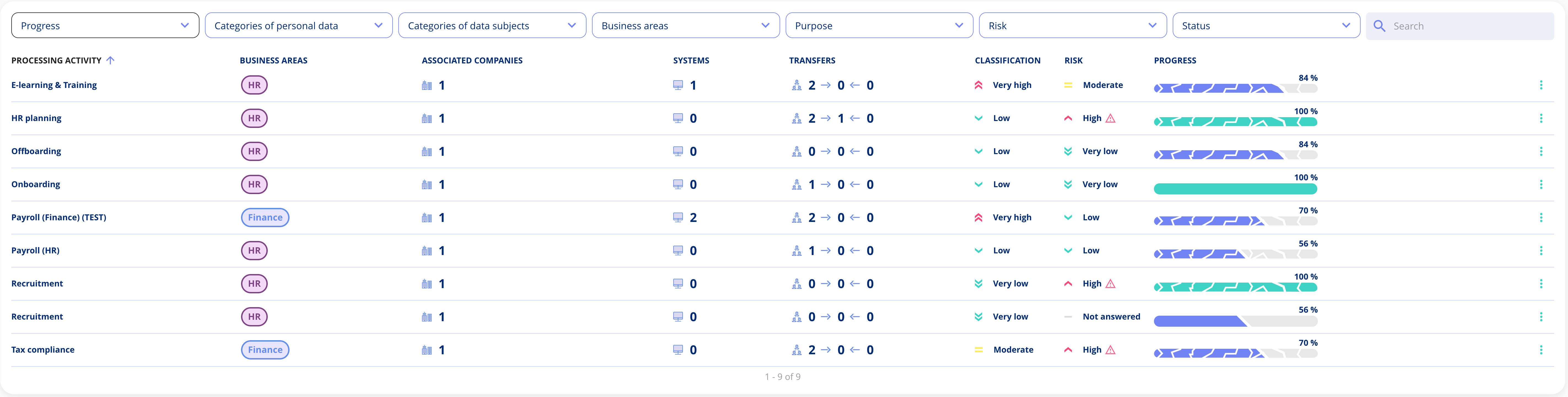
Before moving your data to the cloud, it’s imperative to know what kind of data you handle. Make a record of where you handle personal data and which data you are transferring to the cloud.
By mapping your data you will be aware of which data you must handle with extra care. With an overview, you are able to specify deletion periods. These need to be implemented and comply with your cloud services. Read more about aligning with the GDPR's principle of data minimization.
Choose GDPR-Compliant Cloud Providers
When selecting a cloud service provider, make sure they are GDPR compliant. This is not just advisable but necessary under GDPR regulations. Prominent cloud service providers like:
all have built-in features to aid in GDPR compliance. Always request a Data Processing Agreement (DPA) from your cloud provider. This document will detail how they handle and secure your data.
Implement Strong Security Measures
GDPR requires robust security protocols to safeguard personal data. This involves encryption, secure access control, and regular security audits. GDPR Article 32 lays out the security requirements for data processing.
This includes:
- Encryption of personal data and ensuring the ongoing confidentiality
- Integrity
- Availability
- And the resilience of processing systems.
User Access Control
One of the core elements of GDPR is to control who has access to personal data. Make use of advanced features such as two-factor authentication (2FA) and role-based access. Ensure only authorized personnel can access sensitive information.
Data Portability
GDPR introduces the right to data portability. This allows individuals to move their data from one service provider to another. Ensure that your cloud provider offers an easy way to export and import data.
Train Staff and Create Awareness
Employee training and awareness are key components in preventing data breaches. Ensure that your staff is knowledgeable about GDPR compliance. Everyone needs to know the responsibilities that come with handling personal data. This helps in reducing human error, which is one of the most common causes of data breaches.
Regular Monitoring and Auditing
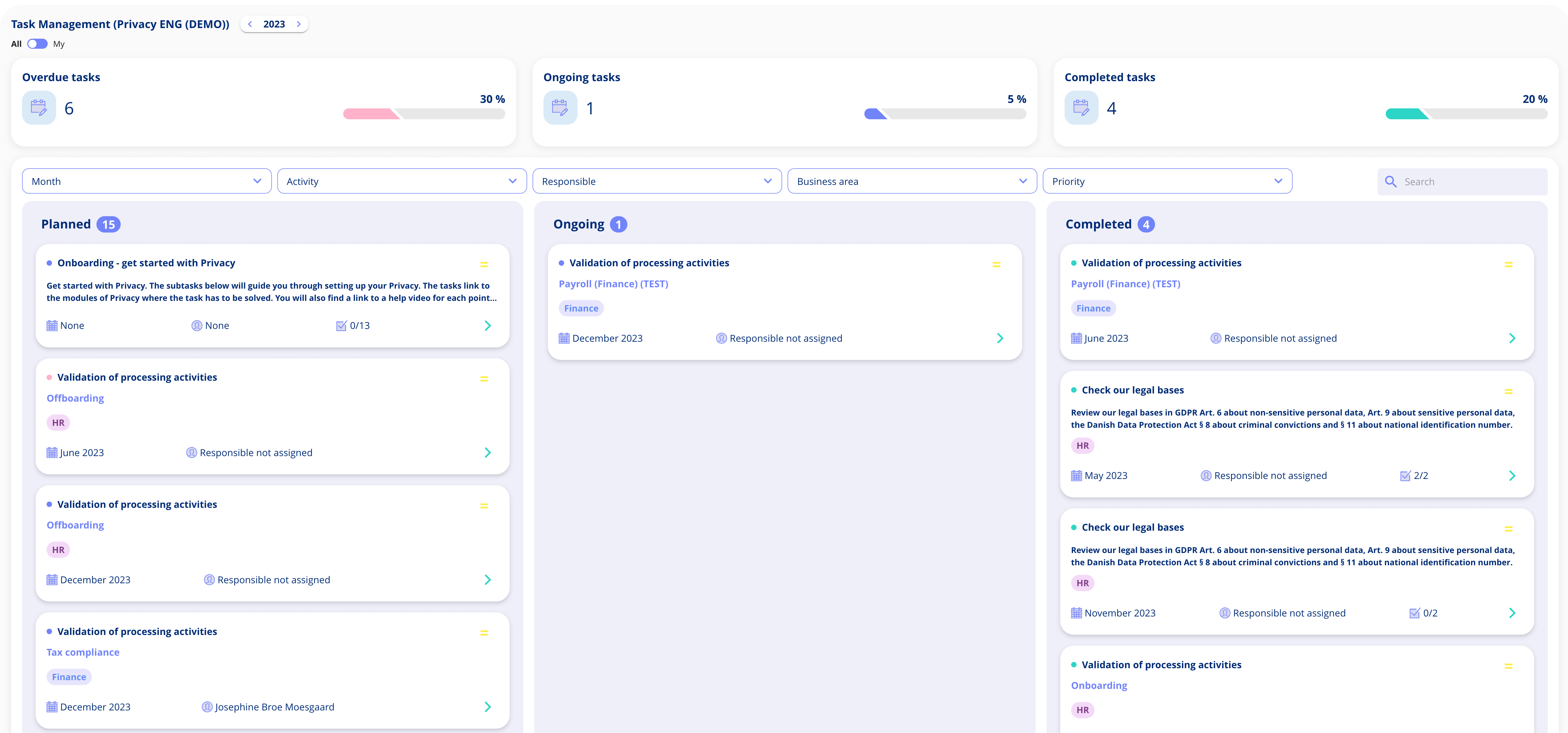
GDPR compliance is an ongoing process that demands regular check-ups. You need to keep your documentation updated if things are changing. This includes your processing activities, risk assessments, and annual wheel. It's also important to make sure to audit your security measures and deletion periods. In short, ensure they are up to par with GDPR requirements.
Legal Consultation
Resources and guidelines can be helpful, but they don’t replace the advice of a qualified legal counsel. If you are in doubt, consult a data protection officer or legal advisor. They can help you with tailored advice specific to your business and data.
Consult a data protection officer or legal advisor to get tailored advice specific to your business and data.
In summary, GDPR compliance in the cloud is a multi-faceted task. And that requires planning, regular monitoring, and proactive measures. Remember, GDPR compliance is not a one-off task but an ongoing commitment.
Note: This section offers a general guideline and should not replace professional legal advice. For detailed and specific guidance on GDPR compliance, it’s advisable to consult legal professionals.
Which Cloud Services/Solutions Are GDPR Compliant?

When it comes to GDPR compliance, one-size-fits-all answers can be misleading. The reality is that GDPR compliance isn't solely about the cloud service you choose; it's also about how you use it. It's essential to understand that no provider can make you GDPR compliant by default. Compliance is a shared responsibility.
Major cloud service providers have robust security measures in place. This could be the likes of:
They all offer features like encryption, multi-factor authentication, and extensive administrative controls. These platforms have invested heavily in securing their infrastructure. And have often built their services with privacy-by-design principles in mind. Such features give you a head start in your journey towards GDPR compliance.
Just because these platforms have advanced security measures doesn't mean you're automatically compliant. Using these services is a step in the right direction, but you still have work to do for full GDPR compliance.
Example: You could have strong encryption but weak access controls. Or, you might lack a proper data processing agreement with your cloud provider. Both of these scenarios could put you at risk of non-compliance.
These major platforms often provide Data Processing Agreements and compliance guides. These can be good starting points for you. It's important to carefully read these documents. Ideally, you should also talk to legal advisors who know GDPR well.
In the end, you're responsible for how you manage personal data. This includes choosing third-party services that meet GDPR standards.
Consider not only the GDPR-friendly features offered by a cloud provider but also how you intend to use them. Will your usage align with GDPR's data protection principles? Do you have policies and processes in place to ensure ongoing compliance? These are questions that you, as a data controller, need to address to ensure full GDPR compliance.
To sum up, no cloud service will make you GDPR compliant just by being a customer. Compliance is an ongoing effort. It's about working well with the services you use, while also managing your own internal practices. Always be active in checking and updating how you manage data. Make sure it fits with GDPR rules.
Conclusion
GDPR compliance is much more than a box to tick; it's an ongoing commitment to data privacy and security. As we move more data to the cloud, understanding the GDPR implications in this landscape becomes crucial. This is true whether you're using Amazon S3, Google Cloud Platform, Microsoft Azure, or any other service.
These platforms offer some useful GDPR-friendly features. But using them doesn't automatically make you compliant. The responsibility is shared. You need to be proactive in how you handle and secure data, especially when using third-party services. This involves everything from:
-
Choosing compliant cloud providers
Compliance is a continuous journey that requires attention. Both to your internal practices, as well as the services you use. Always stay active in reviewing and updating how you manage data to align with GDPR rules. It's not just about avoiding fines; it's about building trust and ensuring the safety of your customer's data.
In a nutshell, achieving GDPR compliance in the cloud is a team effort. It's about combining the strong features of your cloud service with diligent internal practices. If you do this well, you're not just ticking off a legal requirement; you're building a foundation of trust with your clients.
Frequently Asked Questions About GDPR Compliance in Cloud Services











.legal compliance platform Simplify GDPR compliance for your cloud services
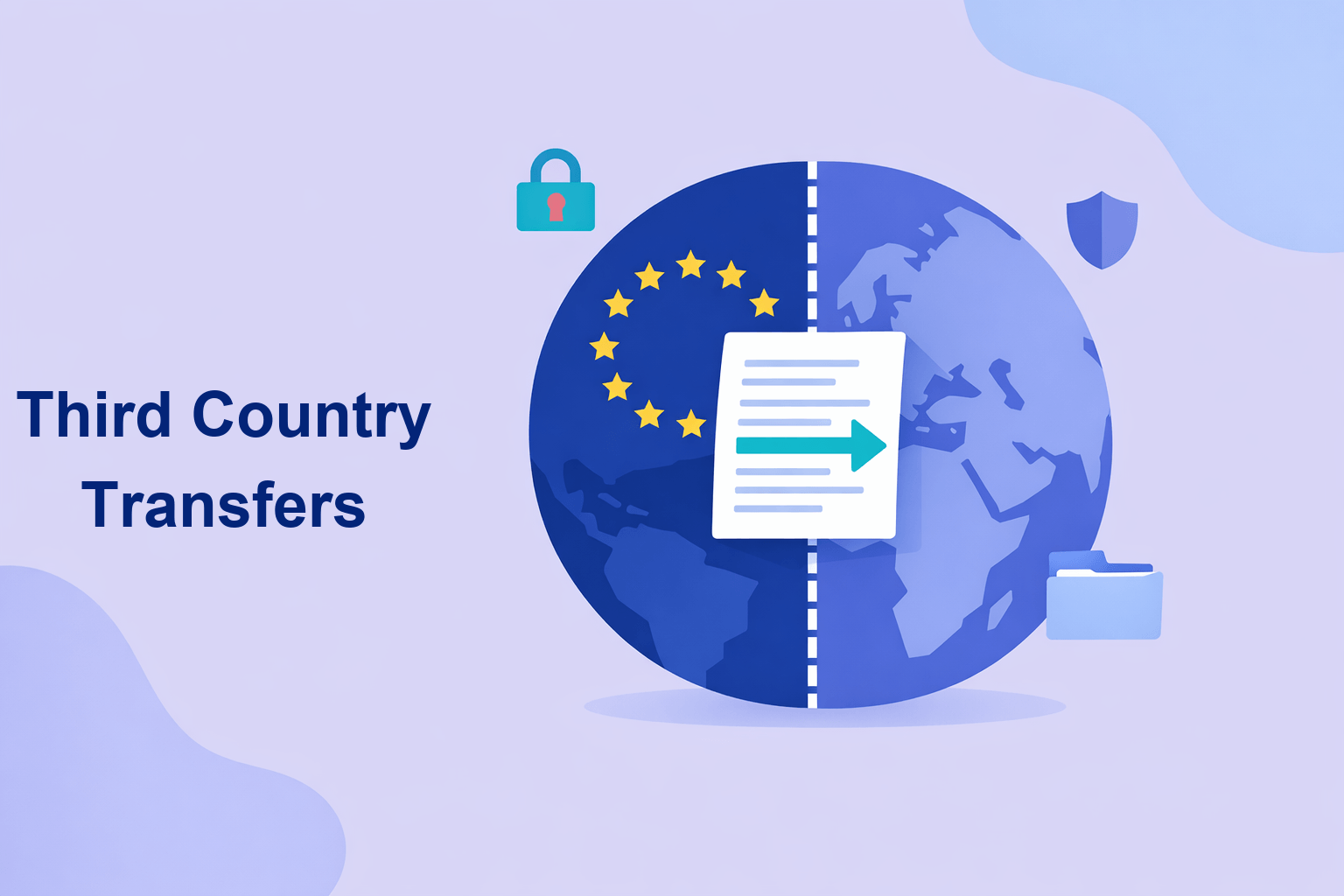
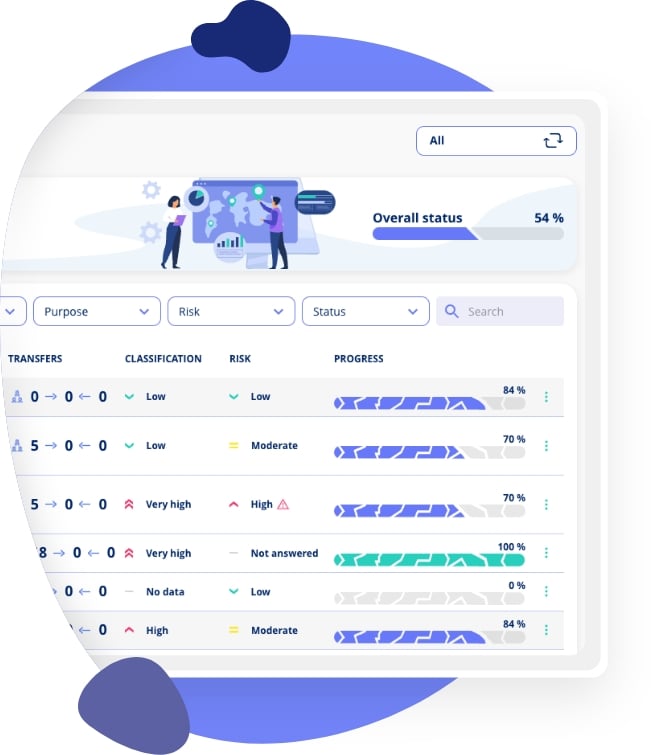
Managing GDPR compliance across cloud providers is complex. .legal gives you a centralized platform to map data flows, manage processing agreements, and track cross-border transfers with ease.
-
Map data flows across all cloud services
-
Manage data processing agreements in one place
-
Track cross-border transfers and safeguards
-
Automated compliance documentation





.jpeg?width=131&height=26&name=right_people_logo%20(1).jpeg)

.jpg?width=58&height=26&name=Praktiserende%20L%C3%A6gers%20Organisation%20(1).jpg)
.jpg?width=108&height=26&name=finans%20danmark%20(1).jpg)


.jpg?width=89&height=26&name=klasselotteri%20(1).jpg)

-1.png?width=68&height=52&name=bws_shipping_rgb%20-%20Kopi%20(2)-1.png)



.jpeg?width=135&height=26&name=AH%20industries%20(1).jpeg)






.jpg?width=493&height=57&name=KAUFMANN%20(1).jpg)