Data Protection Officer | Do You Really Need One?

Introduction
What is a Data Protection Officer?
A Data Protection Officer (DPO) is a key figure in ensuring that an organization handles personal data according to the law.
-
First, they teach the company and its employees about GDPR rules.
-
Next, they check if everyone is following these rules.
-
Lastly, they are the go-to person for anyone with questions about data. They also interact with the authorities enforcing GDPR rules.
A DPO works independently to make sure a company handles data fairly, clearly, and legally. They do more than just fulfill legal needs. They play a vital role in safeguarding personal privacy in our technology-driven society.
Data Protection Officer Tasks/Responsibilities
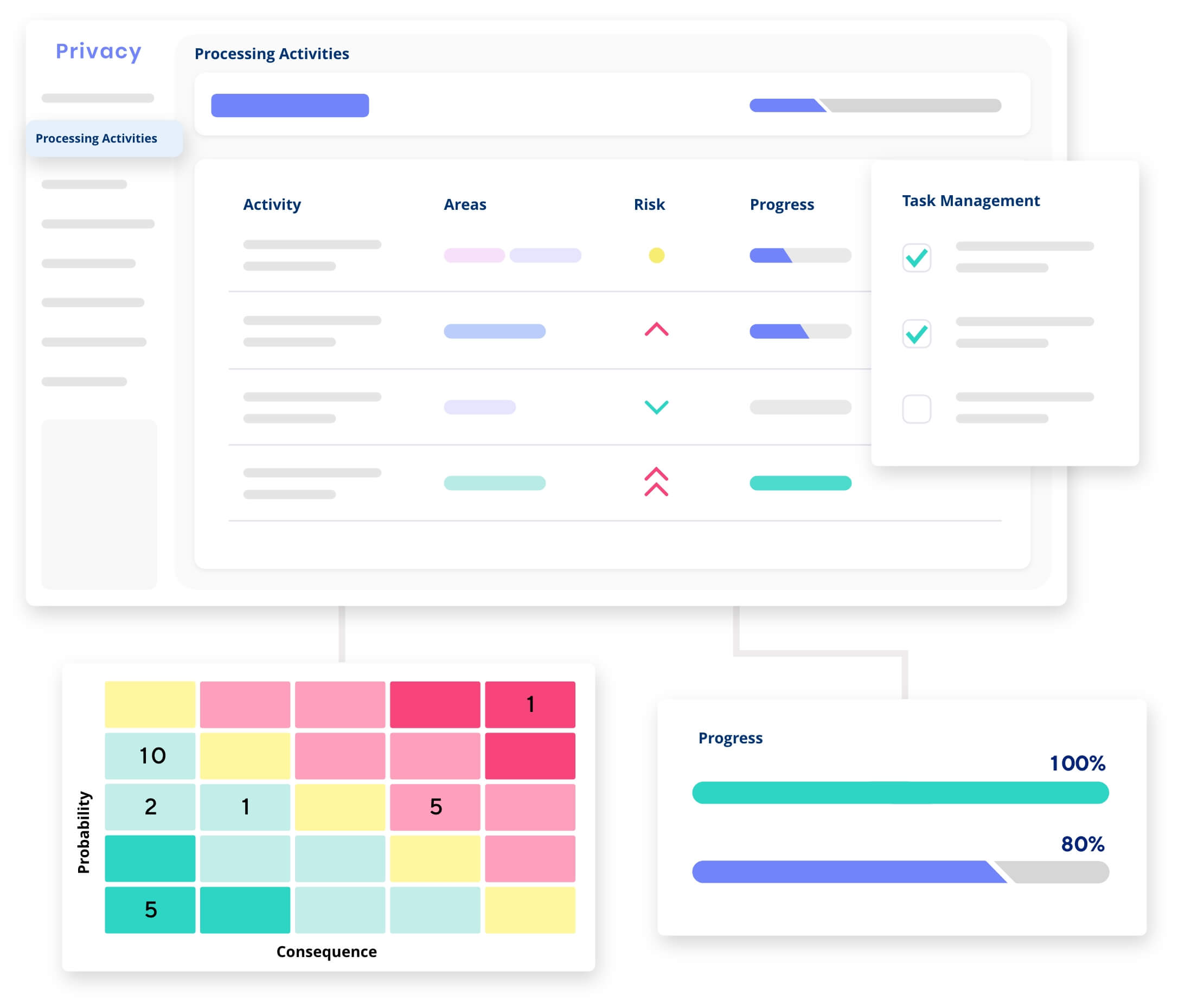
A Data Protection Officer (DPO) has a very important job. They make sure that an organization follows data protection laws and rules. It's essential for companies to know what a DPO does. This helps them handle their data the right way and stay within the law.
Ensuring Compliance with GDPR and Other Data Protection Laws
Monitoring and Advising
Training and Awareness
Point of Contact
Record Keeping
Assessing and Mitigating Risks
You can also read our latest post about risk assessments here
Reporting
Staying Updated
Handling Data Breaches
Ensuring Privacy by Design
-
Avoiding heavy fines
-
Avoiding legal issues due to non-compliance
-
Generate trust from customers and the public
Their role is more than legal compliance. It's also about securing a culture of data privacy and protection within the organization.
Read: What does Governance, Risk and Compliance mean?
Do You Need a Data Protection Officer?
The need for a Data Protection Officer (DPO) isn't a one-size-fits-all rule. In GDPR the role of a DPO should be based on the specific data processing activities of an organization. Here's what you need to know about whether your company needs a DPO and the implications of not having one.
Criteria for Appointing a DPO
The Consequences of Not Appointing a DPO
The Benefits of Having a DPO
In summary, even if your organization doesn't meet the GDPR's mandatory criteria for a DPO, there can still be advantages to appointing one. It's a proactive way to protect data, reduce risks, and promote transparency. In this way, you can make sure your organization handles data responsibly. This safeguards your reputation and finances.
Are you looking for a DPO tool to help you with your tasks?
Read more about our free Data Protection Officer tool here
Alternatively, begin your journey by registering for free today!
What are the Requirements of a DPO?
If your organization needs a Data Protection Officer (DPO), you should know what qualifications to look for:
Qualifications and Experience
- Legal Expertise: A DPO must understand data protection laws. These are the likes of the GDPR and national regulations.
- Privacy Policies: They should have experience in creating privacy policies. That follows the law in that area.
- Data Security: Knowledge of data security standards is crucial for protecting sensitive information.
- Compliance: DPOs need experience in monitoring and ensuring compliance with data protection laws.
Leadership and Collaboration
- Leadership: A DPO should lead data protection efforts, creating a culture of privacy.
- Collaboration: They must work well with different departments. This is necessary to integrate data protection into all processes.
Availability and Independence
- Accessibility: DPOs should be easy for employees and data subjects to reach.
- Independence: They must act by themself and report to senior management.
Ongoing Education
-
Staying Updated: Because data protection laws and technology change, DPOs must stay informed.
Finding a DPO
- Internal Recruitment: Look within your organization's legal, compliance, or IT departments. Someone with relevant skills can undergo DPO training.
- External Recruitment: Consider external organizations where you can find Privacy professionals.
- Managed Services: Organizations can save costs and ensure compliance by sharing a DPO. Or by using a managed DPO service.
In summary, a qualified DPO has legal and data security knowledge, leadership skills, and works well with others. They must be accessible, independent, and committed to learning.
How to Stay GDPR compliant if your company doesn’t need a DPO
Whether your company has a DPO appointed or not, it can be helpful to have a GDPR tool. Because such a tool can assist with your compliance tasks.
FAQ on Data Protection Officers
Can the DPO be an existing employee?
Yes, an existing employee can become a DPO. They need to have the required qualifications and expertise in data protection.
Can we have more than one DPO?
Yes, organizations with complex data processing activities or many locations may appoint more than one DPO. This can ensure comprehensive coverage.
What do we have to do to support the DPO?
Organizations must provide resources, independence, and access to necessary information to enable the DPO to fulfill its role.
Is the DPO responsible for compliance?
While the DPO plays a crucial role in compliance, overall compliance with data protection laws is a shared responsibility within the organization.
What is the difference between a data security officer and a data protection officer?
A Data Protection Officer (DPO) focuses on data protection compliance, while a Data Security Officer concentrates on safeguarding data from breaches and unauthorized access.
What about the UK, or other countries in Europe (like Norway) who are not part of the EU? Do they need DPOs?
The GDPR applies to EU member states. However, countries like the UK and Norway have similar data protection regulations. Whether a DPO is required depends on their specific national laws and the nature of data processing activities.
These answers provide a brief overview of common questions about Data Protection Officers (DPOs). For more detailed information, consult your legal counsel or relevant data protection authorities.
Frequently Asked Questions About GDPR Data Protection Officers






.legal compliance platform
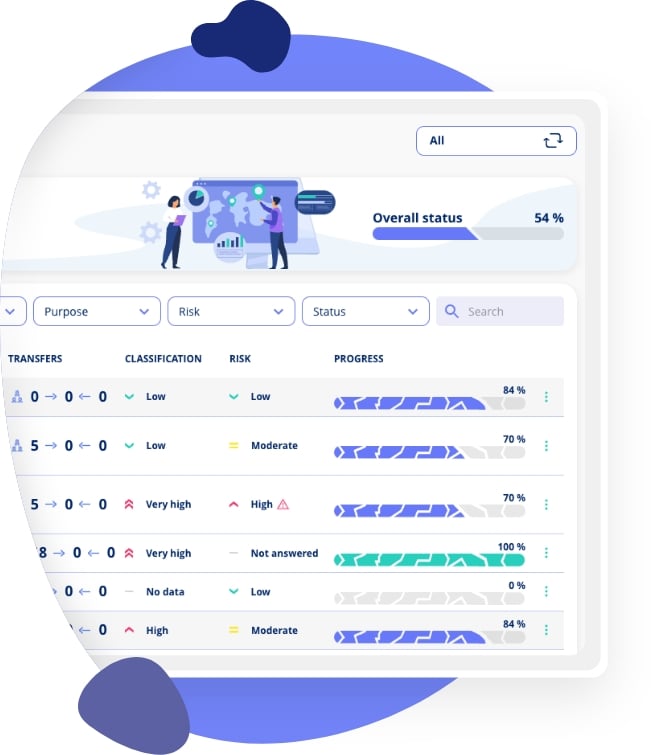
Support your DPO with the right tools
-
Centralised compliance oversight
-
Automated monitoring and alerts
-
DPIA management tools
-
Compliance reporting dashboard





.jpeg?width=131&height=26&name=right_people_logo%20(1).jpeg)

.jpg?width=58&height=26&name=Praktiserende%20L%C3%A6gers%20Organisation%20(1).jpg)
.jpg?width=108&height=26&name=finans%20danmark%20(1).jpg)


.jpg?width=89&height=26&name=klasselotteri%20(1).jpg)

-1.png?width=68&height=52&name=bws_shipping_rgb%20-%20Kopi%20(2)-1.png)



.jpeg?width=135&height=26&name=AH%20industries%20(1).jpeg)






.jpg?width=493&height=57&name=KAUFMANN%20(1).jpg)